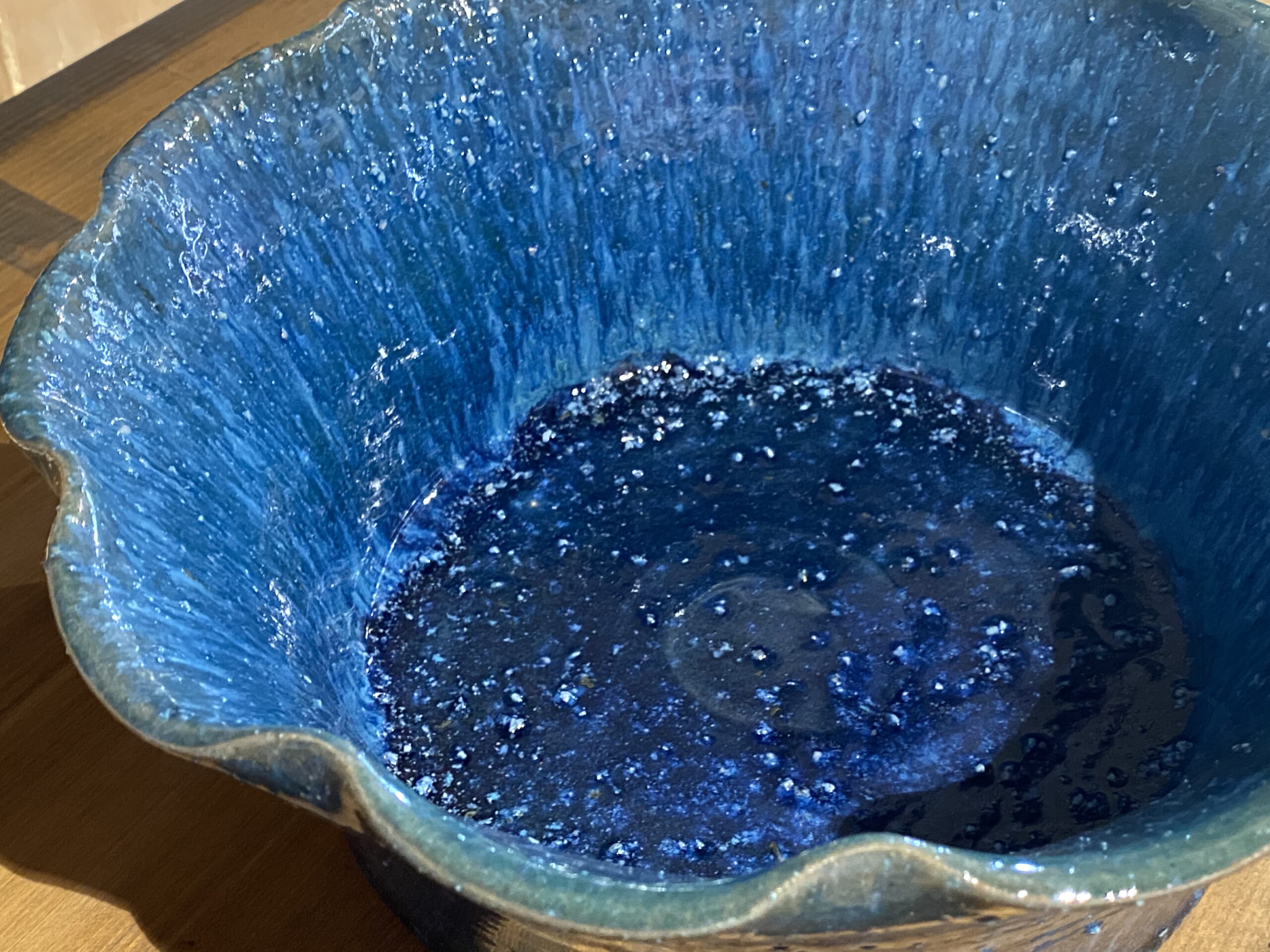
伝統の技と多彩な表現で、まだ見ぬ造形を焼き上げる。
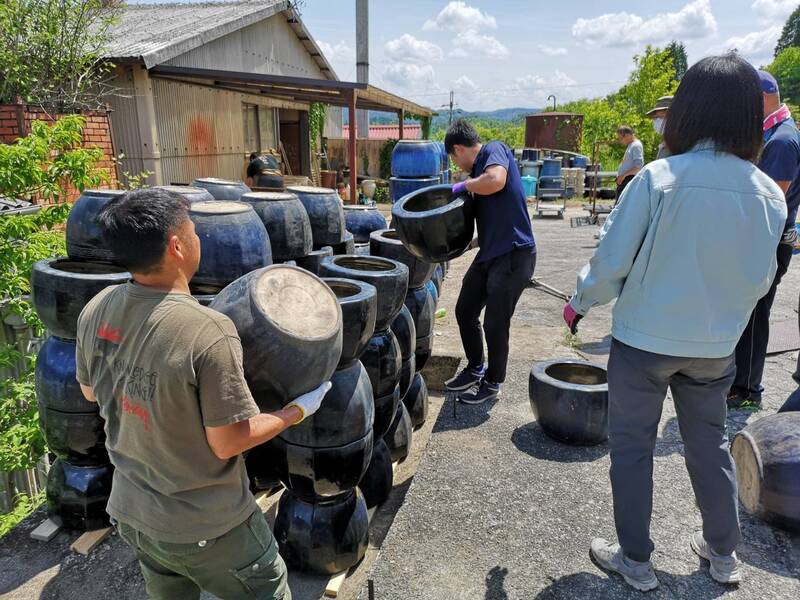
陶器風呂のような圧倒的スケールの大物から、日常に寄り添う食器まで。山文製陶所は、サイズや枠にとらわれない自在なモノづくりを得意としています。
手仕事の「ロクロ成形」、精度を高める石膏型の「機械ロクロ成形」、そして板状の土を操る「タタラ成形」など、多様な成形技術を駆使。
そこに重なる「色(釉薬)」は、長年の経験が息づく山文伝統の「海鼠釉(なまこゆう)」をはじめ、信楽の釉薬会社とのタッグによって、あらゆる色彩のニュアンスを豊かに表現します。
お客様の求めるものを生み出し、喜んでいただくことが、私たちの最大の原動力です。少量の特注から大口のご注文まで、どうぞ安心してお任せください。
From massive pieces like ceramic bathtubs to everyday tableware, Yamabun Pottery excels at creating products without being constrained by size or limitations.
We utilize a variety of molding techniques, including hand-thrown pottery, precision-enhanced machine-thrown pottery using plaster molds, and slab building using flat clay.
The colors (glazes) we apply are rich and expressive, ranging from Yamabun’s traditional “Namako Glaze,” imbued with years of experience, to a wide range of nuances achieved through collaboration with Shigaraki glaze companies.
Our greatest motivation is creating what our customers desire and bringing them joy. Please feel free to entrust us with your orders, from small custom orders to large-scale projects.
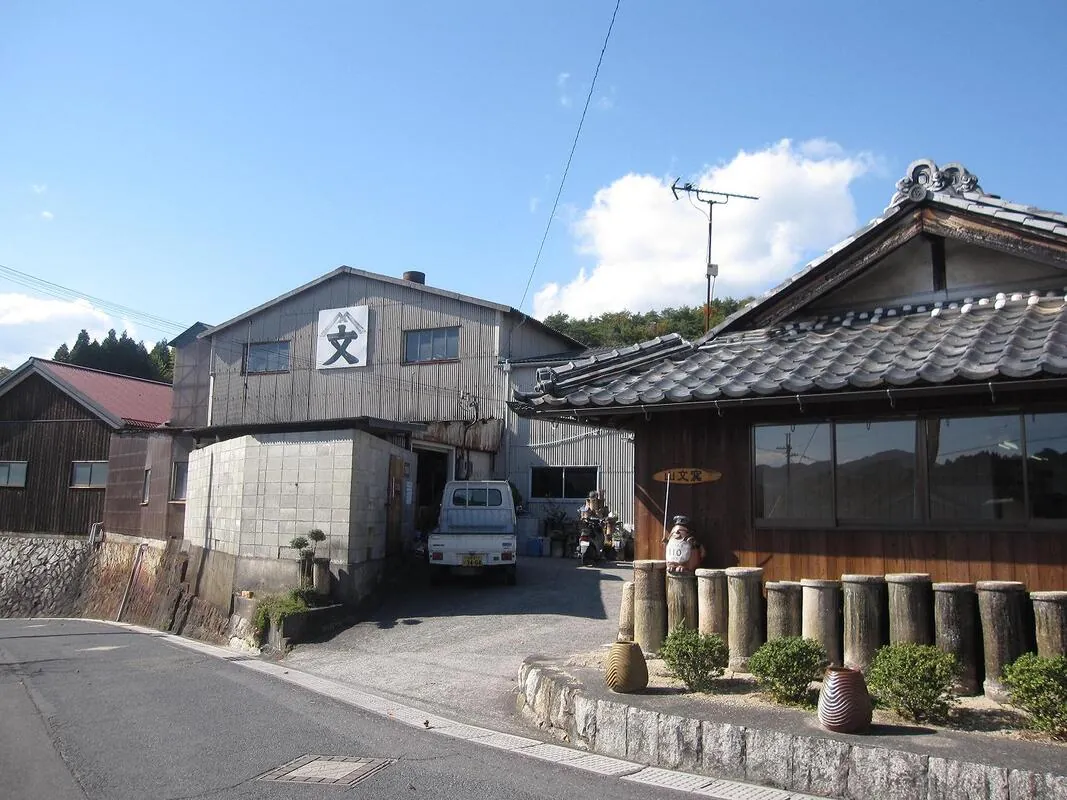
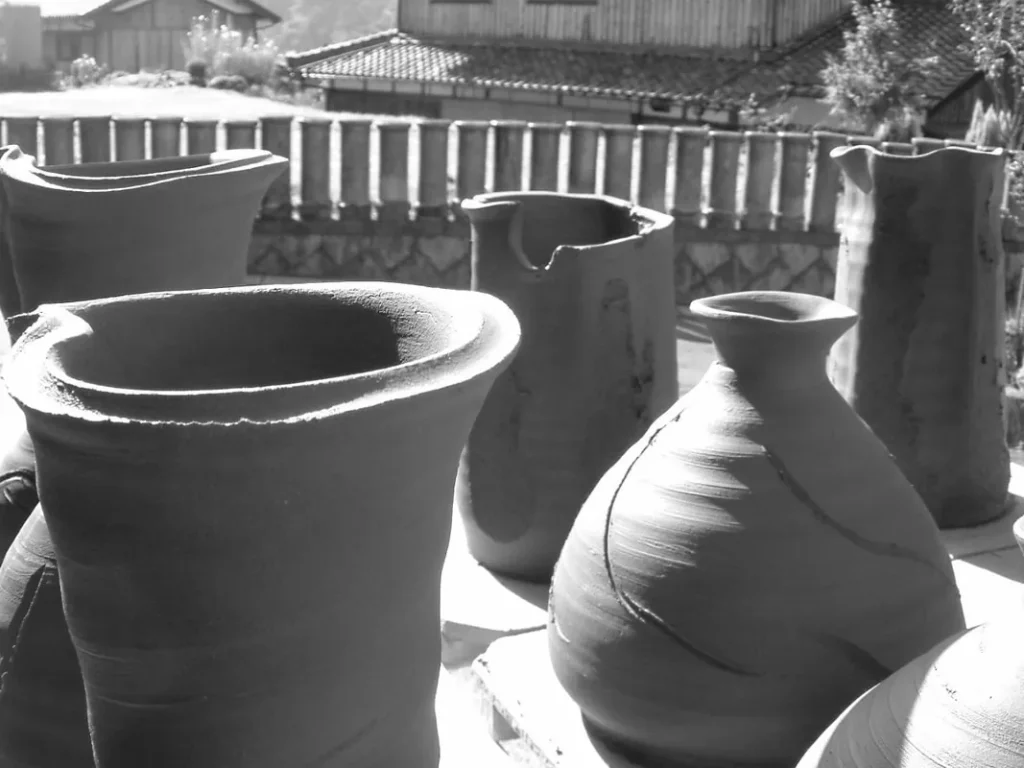
明治二十六年より受け継がれる、百三十年余の炎と誇り。
山文製陶所の歴史は、明治二十六年(1893年)、初代・今井文治郎が信楽焼きの窯元としてこの地に礎を築いたことから始まりました。
明治期の主製品であった「海鼠釉(なまこゆう)の火鉢」づくりから技術を磨き続け、現在の五代目へと至るまで、約130年の歳月を積み重ねてまいりました。
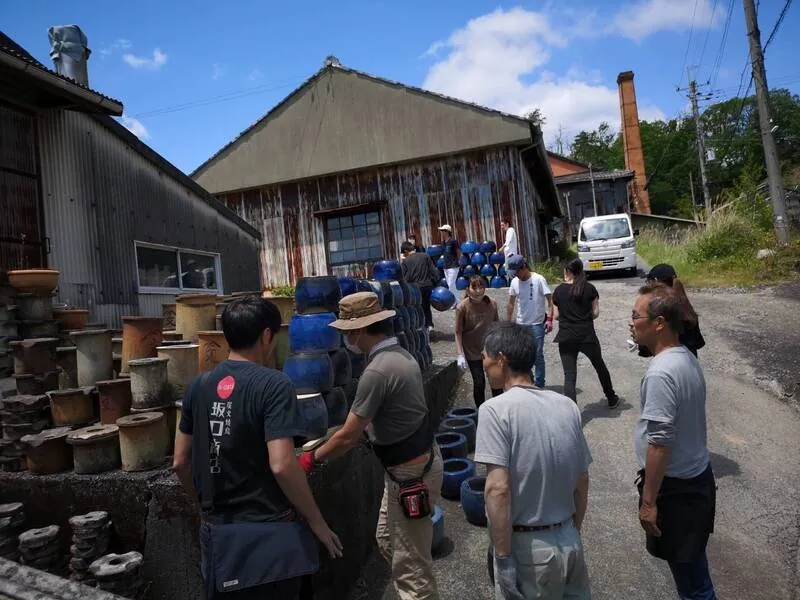
伝統を受け継ぎながらも私たちの挑戦は止まることなく、現在では信楽窯業試験場の協力も得ながら、傘立て、睡蓮鉢、花器、洗面鉢、壺など、現代の暮らしや空間に寄り添う多彩な陶器を製造しております。
どれほど時代や求められる形が変わろうとも、初代の頃と変わらず「一品一品を大切に作り上げる」という手仕事の精神は、今も私たちの胸に深く息づいています。
The history of Yamabun Pottery began in 1893 (Meiji 26), when the first generation, Bunjiro Imai, established a Shigaraki ware kiln in this area.
Starting with the production of “Namako-yu (sea cucumber glaze) hibachi” (charcoal brazier), which was the main product of the Meiji era, we have continuously refined our techniques and accumulated approximately 130 years of experience, leading up to the current fifth generation.
While inheriting tradition, our challenges never cease. Currently, with the cooperation of the Shigaraki Ceramic Research Institute, we manufacture a wide variety of ceramics that complement modern life and spaces, including umbrella stands, lotus ponds, vases, washbasins, and jars.
No matter how much times and the forms that are demanded change, the spirit of handcrafted work—”carefully creating each and every piece”—remains deeply ingrained in our hearts, just as it was in the time of the first generation.
良質な土と時代の求めが育んだ、信楽焼の悠久の歴史。
古くから主要都市を結ぶ交通の要衝であり、類まれなる良質な陶土に恵まれた信楽の地。
その焼き物づくりの歴史は中世の壺や瓦から始まり、室町・桃山時代以降には、茶道具として茶人をはじめとする多くの文化人に深く愛されるようになりました。
江戸時代以降は商業の発展とともに人々の暮らしを支える日常雑器が数多く焼かれ、明治時代には「海鼠釉(なまこゆう)を使った火鉢」の生産によって大きな発展を遂げます。
昭和に入り、第二次世界大戦による金属不足から陶器製の地雷などが作られるという激動の時代を経た後は、植木鉢やたぬき、傘立て、タイルなど、現代の暮らしや空間を彩る焼き物へと広がりを見せ、今日に至ります。
Shigaraki, a region long considered a vital transportation hub connecting major cities, is blessed with exceptionally high-quality clay.
Its history of pottery production began in the Middle Ages with the creation of jars and roof tiles. From the Muromachi and Momoyama periods onward, it became deeply cherished by tea masters and other cultural figures as tea ceremony utensils.
After a turbulent period in the Showa era, marked by metal shortages during World War II and the subsequent production of ceramic landmines, Shigaraki expanded its product line to include flowerpots, raccoon dog figurines, umbrella stands, tiles, and other ceramic items that adorn modern life and spaces, continuing to this day.
NHK連続テレビ小説『スカーレット』——「丸熊陶業」の舞台となった記憶。
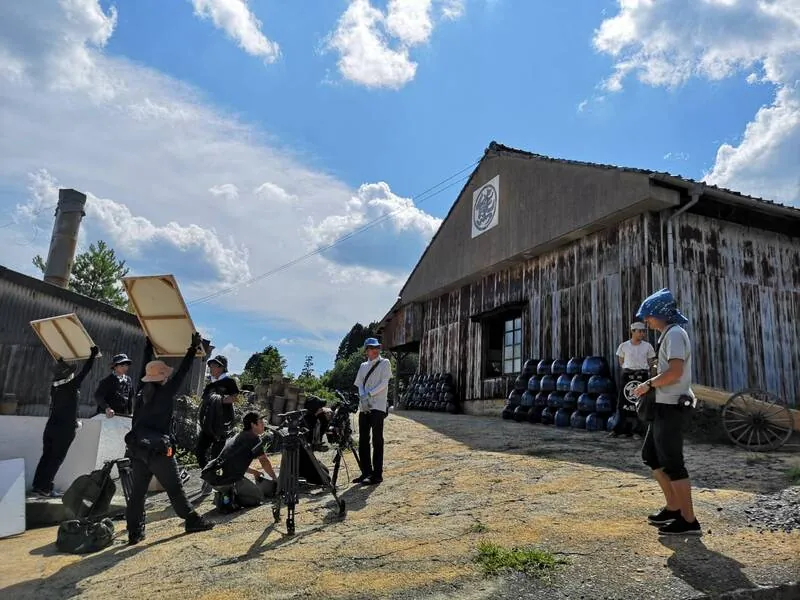
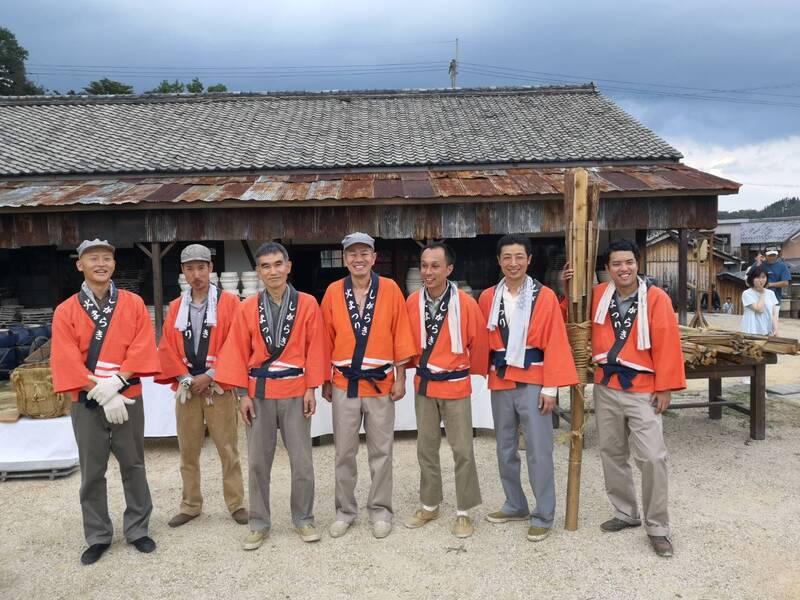
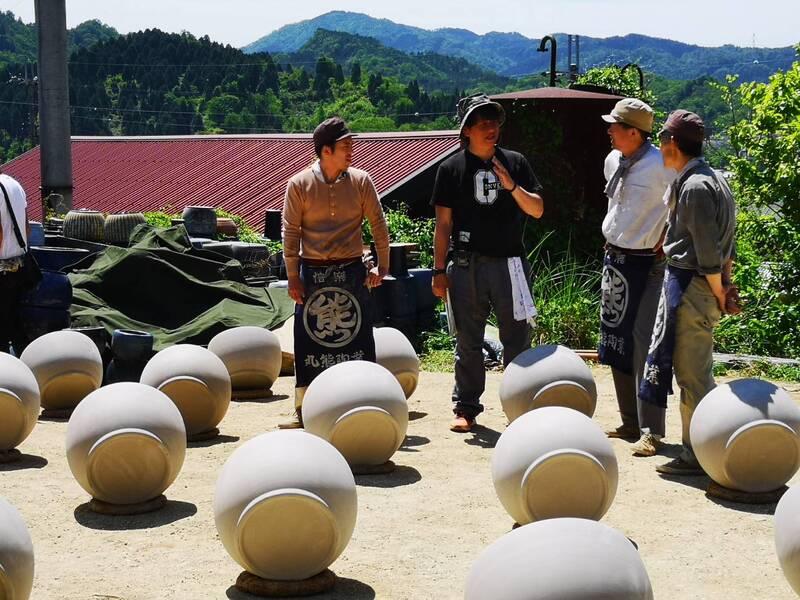
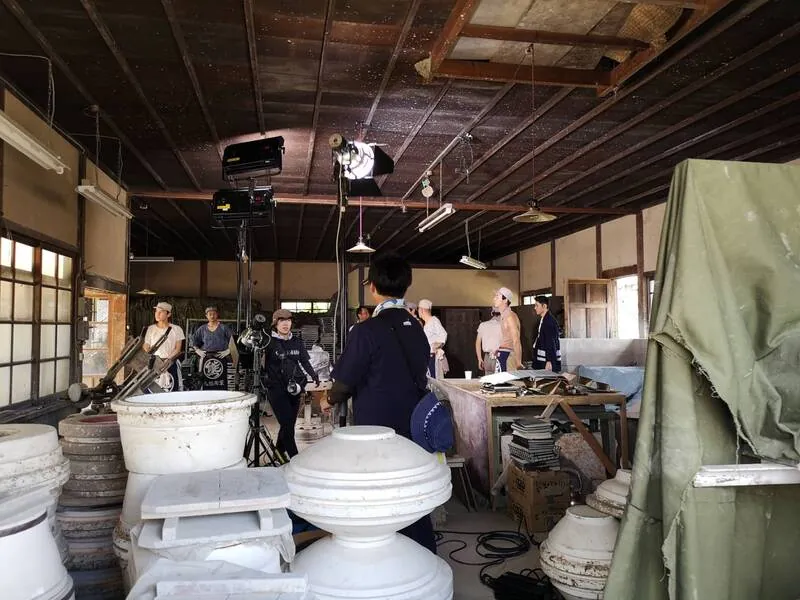
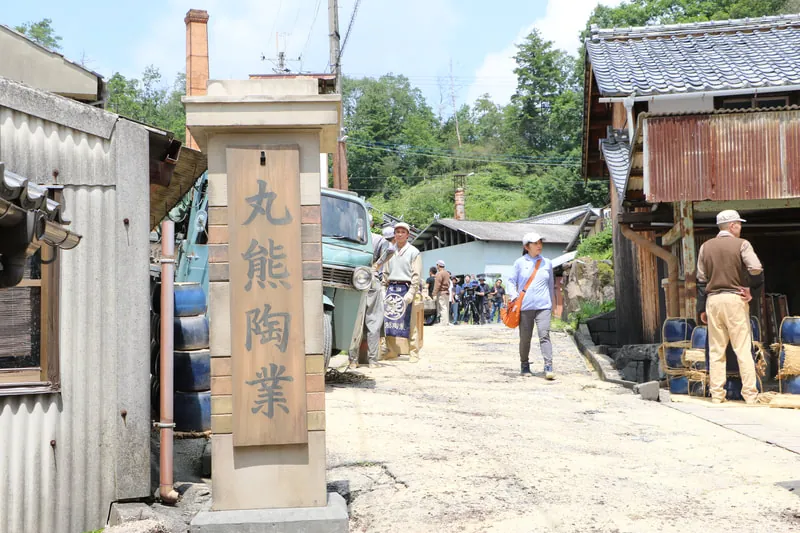
山文製陶所は、NHK連続テレビ小説『スカーレット』において、物語の重要な舞台となる「丸熊陶業」のロケ地として使用していただきました。
すべてのはじまりは、ある日突然、ドラマのロケ地を探しているという20名ほどの方々が訪れたことでした。何のドラマかといった説明は一切ないまま、イメージされている「昔の作業場」の写真を1枚見せていただきました。
どこで探してこられたのか分かりませんが、仕事小屋から外を写したその写真には、天日で乾燥させるために並ぶたくさんの火鉢と、その向こうに少し高いところから見下ろしたような景色が映っていました。その写真を見た瞬間、「この作業小屋から見る外の景色とそっくりだ」と感じたのを今でも鮮明に覚えています。
それから2週間〜1ヶ月ほど経ったある日、「NHKの朝ドラの撮影をここでさせてもらいたい」と連絡が入りました。何のことやら実感がないうちに、撮影の1年ほど前から徐々に現場の準備作業が始まり、「なんだか大変なことになってきたぞ」と驚きの毎日が始まりました。
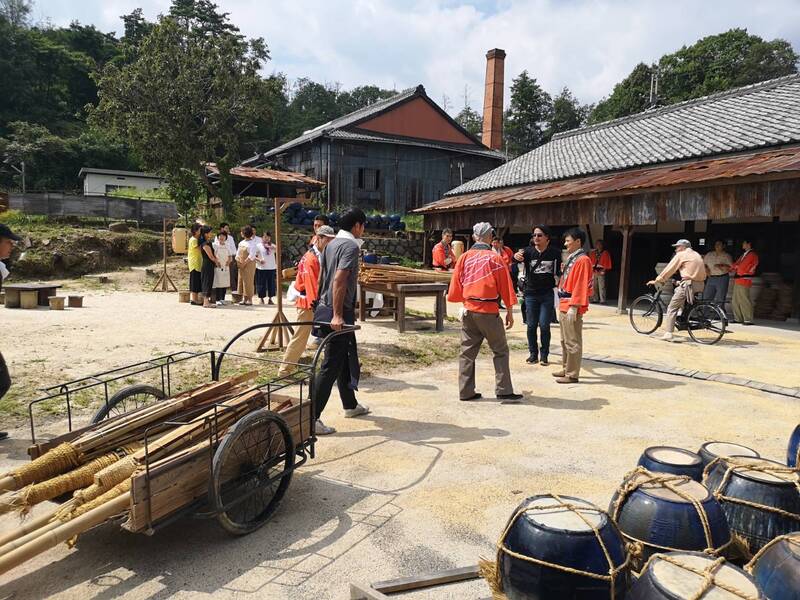
いざ撮影が始まると、戸田恵梨香さんをはじめたくさんの俳優さんや、毎回100人弱ものスタッフさんが丸熊陶業のロケ地まで足を運んでくださいました。撮影当日はトラックやバスがどっと押し寄せ、普段は静かな場所が突然お祭りの会場になったような賑やかさに包まれ、毎回ワクワクさせてもらっていました。
ドラマの撮影の最終盤にはコロナが始まってしまい、どうなるのだろうと心配していたところに、無事撮影が終わったことを聞かせていただき心から安堵いたしました。丸熊陶業ロケ地での撮影は物語の最初のほうが主でしたが、最後にもまた丸熊陶業周辺でのロケを組んでいただくなど、私たちにとってもかけがえのない、たいへん貴重な体験をさせていただきました。
Yamabun Pottery was used as a filming location for “Marukuma Pottery,” a crucial setting in the NHK serial drama “Scarlet.”
It all began when about 20 people suddenly visited our workshop, looking for a filming location for a drama. Without any explanation of the drama, they showed us a single photograph of an “old workshop” that they envisioned.
I don’t know where they found it, but the photo, taken from the workshop looking outwards, showed many braziers lined up for sun-drying, with a view looking down from a slightly elevated position beyond. I still vividly remember the moment I saw that photo and thought, “That’s exactly like the view from this workshop!”
Then, about two weeks to a month later, we received a call saying, “NHK would like to film their morning drama here.” Before I could fully grasp what was happening, preparation work on the site gradually began about a year before filming, and I was surprised every day, realizing, “This is getting quite a lot of work!”
Once filming began, many actors, including Erika Toda, and nearly 100 staff members each time traveled to the Marukuma Pottery location. On filming days, trucks and buses would pour in, and the usually quiet place would suddenly become a lively festival-like scene, which always excited us.
Towards the end of filming, the COVID-19 pandemic began, and we were worried about what would happen. We were truly relieved to hear that filming had been completed successfully. While most of the filming at the Marukuma Pottery location was at the beginning of the story, we were also given the opportunity to film around the Marukuma Pottery area again towards the end, making it an invaluable and precious experience for us.